



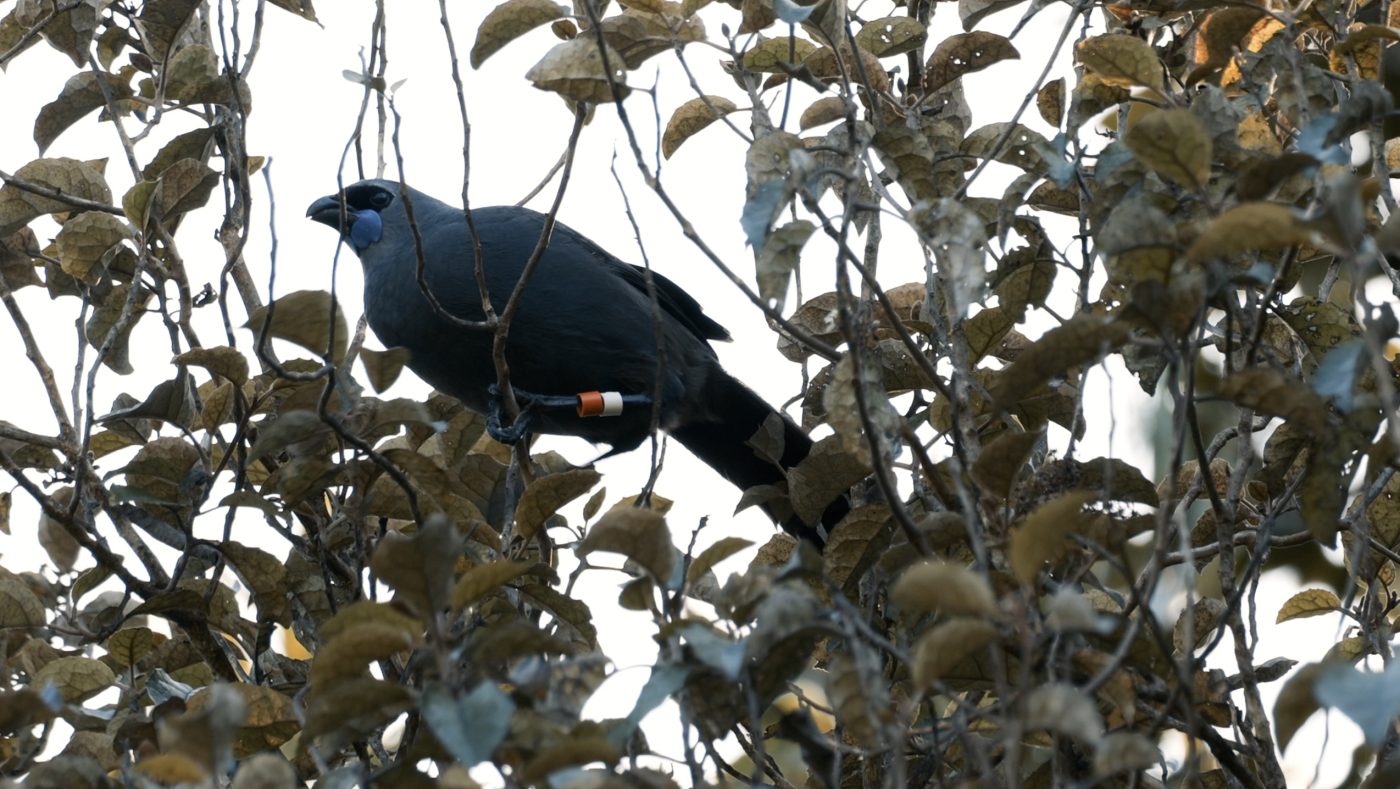
Auckland Council says the city’s Te Ngāherehere o Kohukohunui / Hūnua Ranges are thriving.
New monitoring results confirm a dramatic reduction in possum and rat numbers while delivering ideal conditions for native wildlife to flourish, including the return of nesting kārearea (New Zealand falcon) for the first time in the ranges in recent history.
Results from the council’s 2025 Hūnua aerial pest control operation, funded by the Natural Environment Targeted Rate, show possum numbers have dropped from a pre-control Residual Trap Catch (RTC) of 2.2 per cent to just 0.16 per cent post-control.
Rat numbers saw an even more dramatic decline, falling from a pre-monitor Rodent Tracking Index (RTI) of 90-100 per cent to 1.34 per cent.
Council project manager Miranda Bennett says these results are outstanding and exceed the targets set in the 2025 operational plan.
“We aimed for under two per cent RTC for possums and under three per cent RTI for rats, and both were comfortably achieved. At these levels, the forest can recover, and native species can thrive.”
Council has identified Te Ngāherehere o Kohukohunui / Hūnua Ranges as one of Auckland’s sites of significant biodiversity value that require possum control at or below two–five per cent RTC, while national technical guidance, including from the Kōkako Recovery Group, supports rat control targets below three per cent RTI. The Hūnua results sit well within these benchmarks.
Councillor Richard Hills, chair of the council’s policy, planning and development committee says the outcome clearly demonstrates the value of pest control and maximising the tools we currently have available.
“This work shows what is possible when science, experience and long-term commitment come together.
“The return of native birds nesting again in the Te Ngāherehere o Kohukohunui / Hūnua Ranges, is a powerful signal these forests are healthier and more resilient.”
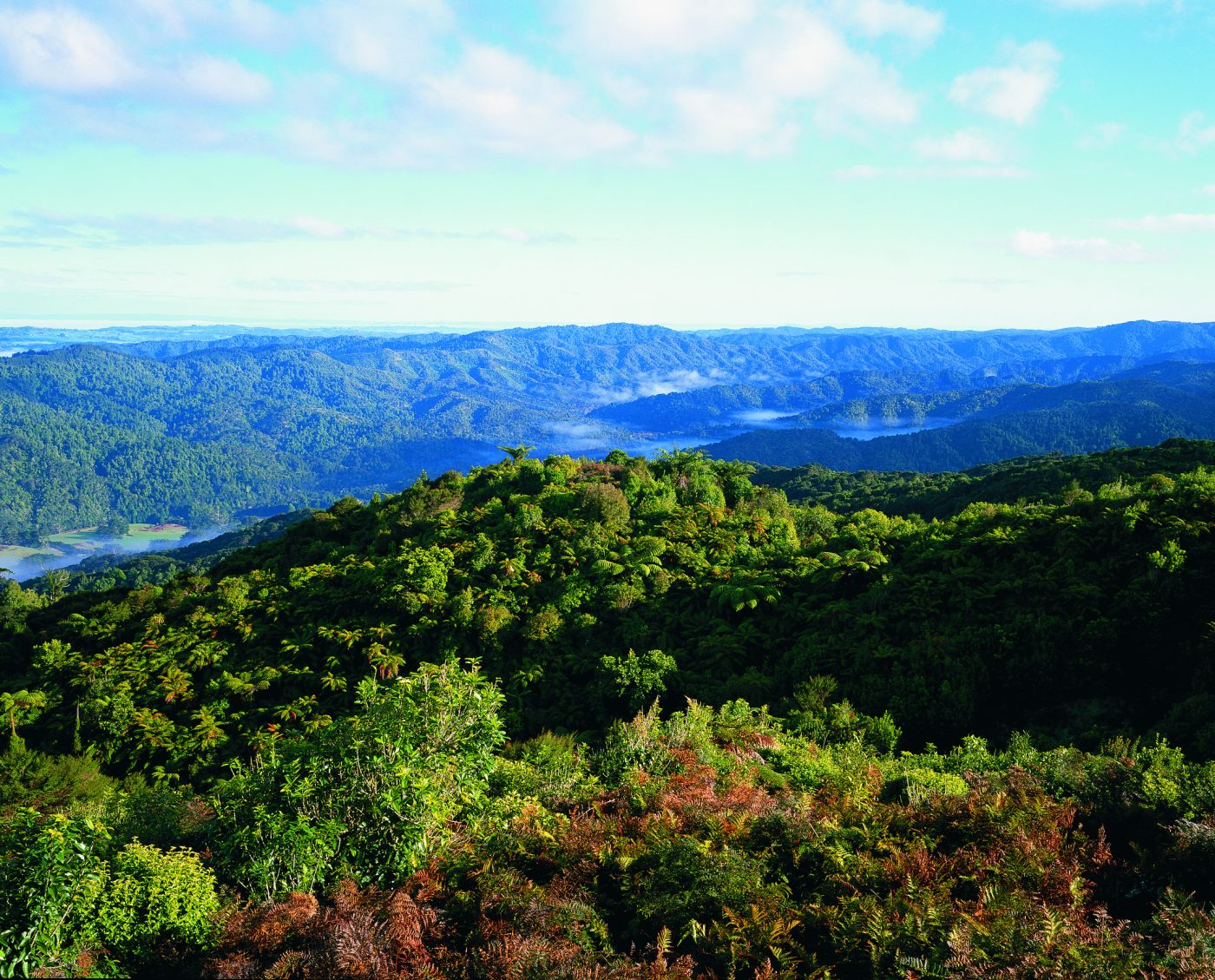
Despite significant weather delays, the aerial pet control operation was completed park-wide by the end of October, perfectly timed for the summer bird breeding season.
Kōkako, kererū, kākā and other native species are now benefiting from a low-pest environment during their most critical breeding period.
The 2025 operation treated 19,885 hectares using aerially applied 1080, alongside 130 hectares of ground control.
In total, 22 private land parcels were treated, and 855 kilometres of tracks and roads were cleared of bait by volunteers and council staff, ensuring public access could reopen quickly and safely.
This work is part of a long-term, integrated pest management programme, with aerial control carried out around every three years to maintain ecological gains.
Te Ngāherehere o Kohukohunu has now remained below five per cent possum levels for a decade, with clear biodiversity benefits to show for it.
“But we can’t rest on our laurels,” says Bennett.
“Rats in particular can reinvade within six months, so our rangers, volunteers and community partners are already back on the ground checking traps and protecting key kōkako breeding areas.”
Since 2019, the council has also funded possum control across the 14,000-hectare “Hunua Halo” on surrounding private land, working alongside landowners, mana whenua, DoC, Watercare and community groups to slow reinvasion and protect the park’s gains.
“This is collaboration and targeted investment delivering at its best,” Hills says.
“Together, we’re giving nature the breathing space it needs and the results speak for themselves.”

