



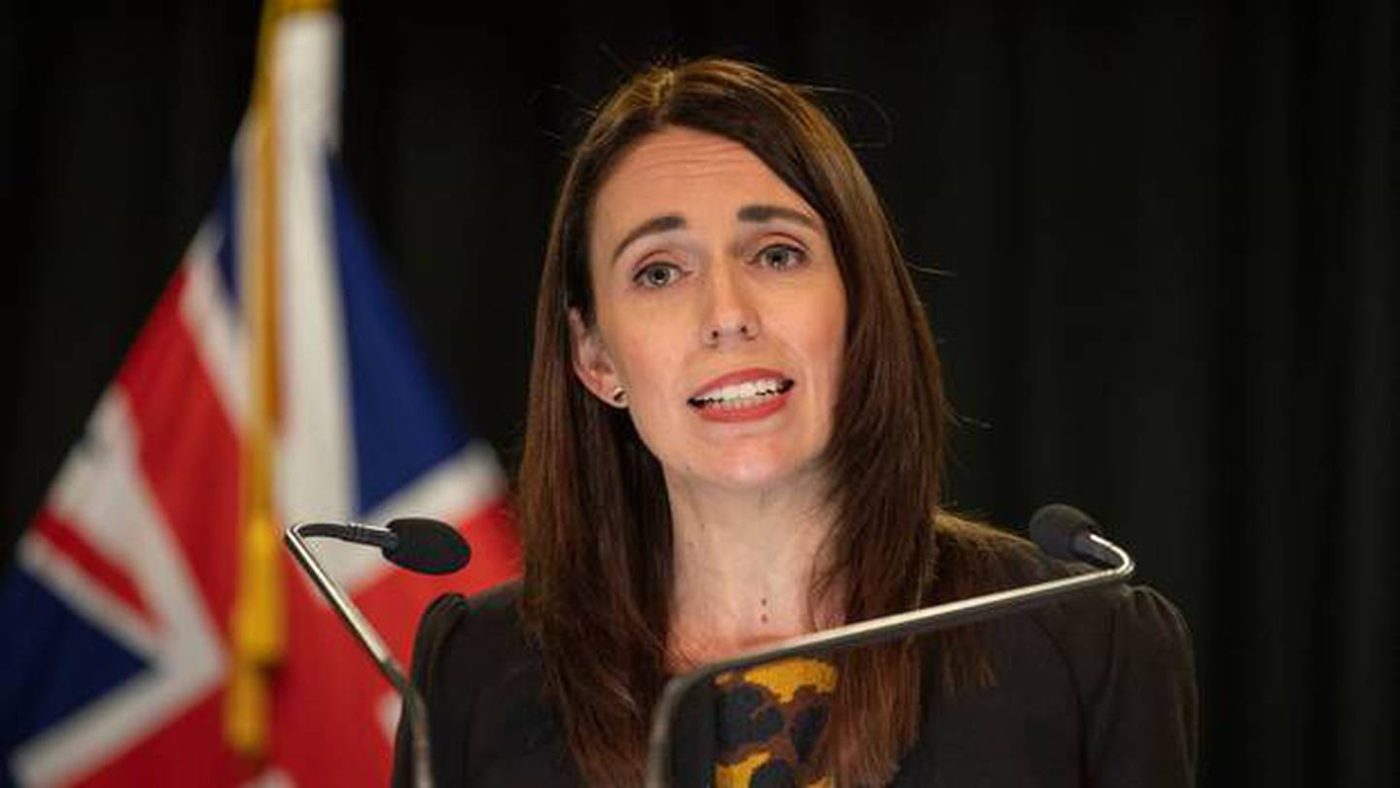
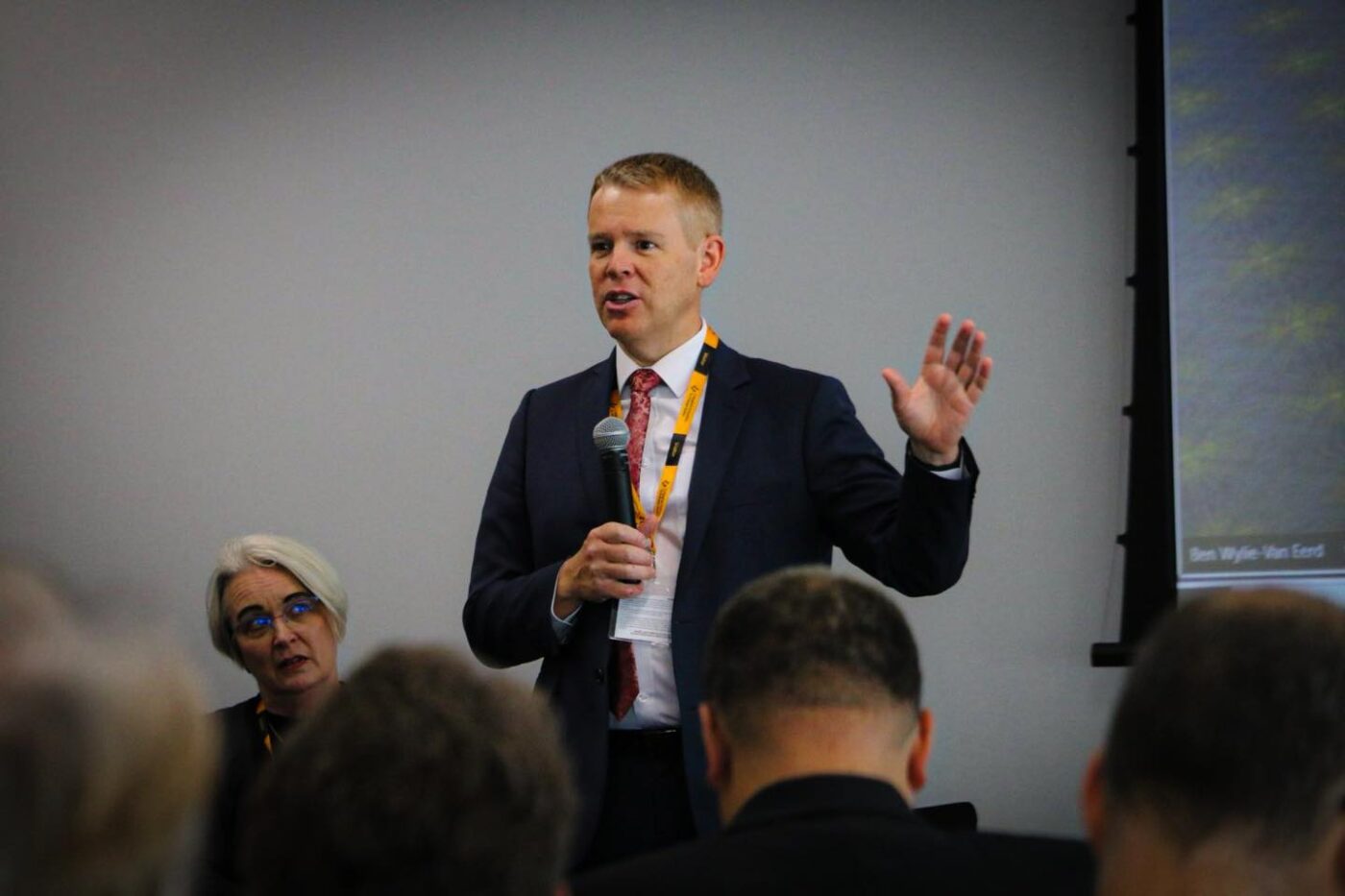
Former Labour Government ministers including Dame Jacinda Ardern, former Health Minister Chris Hipkins and former Finance Minister Grant Robertson have declined to answer questions at a public hearing held as part of the Royal Commission of Inquiry into Covid-19 Lessons.
The public hearing was to be held next week but, will now not go ahead.
Former Health Minister Ayesha Verrall has declined to be questioned at the hearing also.
Covid-19 Inquiry chairperson Grant Illingworth, KC, says proceeding with a second week of public hearings is no longer justified, and won’t go ahead in this month, as originally planned.
The decision by the Inquiry follows former ministers declining an invitation to participate.
A primary purpose of the Inquiry is to develop carefully considered findings and practical recommendations based on lessons learned.
Illingworth says the hearings were intended to enhance public confidence in the Inquiry’s processes by enabling the public to see former ministers, who have critical insights into the pandemic response, questioned in public.
“The Covid-19 pandemic was a significant event that affected every New Zealander.
“The Government at the time, through its ministers, made decisions about how we as a nation responded to that pandemic, which had implications for all of us.
“We have been tasked with reviewing those decisions, and we thought it was important the public see and hear for themselves important evidence about why some key decisions about the response to Covid-19 were made and for what reason.”
The Inquiry hasn’t changed its view a public hearing would enhance public confidence in its processes, but there were a number of factors that contributed to the decision to no longer proceed, Illingworth says.
This includes that former ministers and senior officials have provided a significant amount of information via private interviews, and all have offered to provide further information if requested; the need to use efficient processes and to avoid unnecessary cost and delay; the impact on public confidence of a ‘decision-makers’ hearing proceeding without the attendance of key decision-makers; and the fact that the Inquiry has other mechanisms available to obtain necessary evidence and also to increase transparency and public confidence.
“We are confident the former ministers declining to attend the hearing does not hamper us in our ability to obtain the information we need to be able to properly complete our task,” Illingworth says.
“Public hearings are only one mechanism of obtaining evidence, and their use is restricted under our terms of reference.”
The Inquiry has given careful consideration to whether to issue a summons to the former ministers, but has decided not to proceed with that course of action.
“On balance we are of the view that a summons is undesirable given the former ministers continue to co-operate with the evidence-gathering of the Inquiry,” Illingworth says.
“It is our opinion the use of summonses to achieve their participation at a public hearing would be legalistic and adversarial, which our terms of reference prohibit.”
The Inquiry is giving further consideration to how it will collect evidence going forward and will provide more information about this as part of its regular communication.
The Inquiry is due to report back to the Governor General at the end of February, 2026.
The decision not to proceed with a hearing will not impact the Inquiry’s timelines.

